
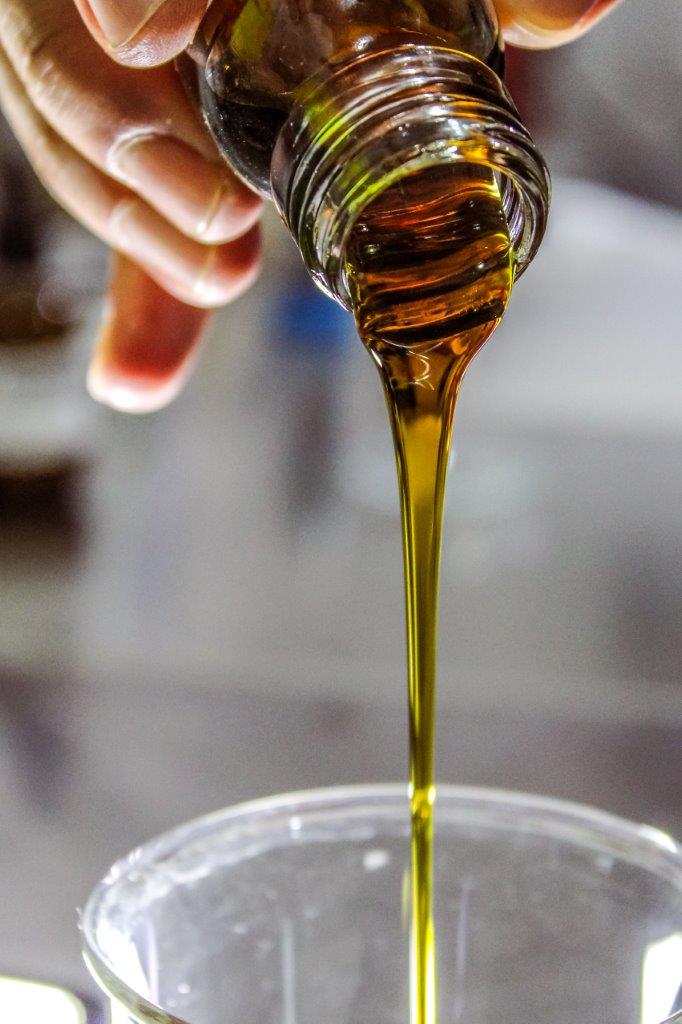
Photo by Fulvio Ciccolo on Unsplash
Different Types of Oils in German Supermarkets-Explained
Supermarket shelves in Germany have many varieties of cooking oils. Some are cold-pressed while others are refined, some contain saturated fats, and others are rich in Omega 6. There is so much information on the labels that the customer can sometimes feel confused about what to buy and what to leave. In this article, I have attempted to remove this confusion and bring clarity about the different products and their uses. But before we get to the product details, let’s understand a few things.
Please note that I have used pictures in this article. The purpose is to help my readers understand these products better. These are not product recommendations.
Now, let’s start.
What are edible oils?
Oils are the fat extracted from nuts, seeds, fruits and vegetables. Oils are a source of fat for our body, which gives us energy, helps us stay warm, absorb vitamins, make hormones, etc. Therefore, including fat in our diets is essential.
What are the different types of fats?
Fats are of 3 types:
- Saturated fats (Gesättigte Fette in German): Saturated fats are a type of fat in which the fatty acid chains all have single bonds ( no double bond). These fats usually solidify at room temperature and mostly come from animals. Butter, ghee, coconut oil, bacon, etc, contain saturated fats. They are known to increase the amount of bad cholesterol in the body.
- Unsaturated Fats (ungesättigte Fette in German): Unsaturated fats are a type of fat in which there is at least one double bond within the fatty acid chain. These are liquid at room temperature and mostly come from plants. Olive oil, peanut oil, seeds, nuts, etc contain unsaturated fats. These fats are known to lower bad cholesterol levels in our bodies.
Unsaturated fats are further classified into Monounsaturated fats(einfach ungesättigte Fette in German) and Polyunsaturated fats ( mehrfach ungesättigte Fette in German).
Monounsaturated fats have one double bond in the molecule. They are found in peanut oil, olive oil, canola oil, etc.
Polyunsaturated fats have more than one double bond and are found in sunflower oil, soybean oil, safflower oil, corn oil, etc. Polyunsaturated fats include omega-3 and omega-6 fatty acids, essential for brain function. Our bodies cannot make them, so we have to consume foods that are rich in them. - Transfats: These are hydrogenated fats made when liquid oils are turned into solid fats through an industrial process. These fats occur when vegetable oils are chemically altered to stay solid at room temperature, which gives them a much longer shelf life. Some of the examples are shortening and margarine. Transfats are known to increase your risk of heart disease.
From these definitions, you might have understood that most edible oils fall under the second category, i.e. unsaturated fats and some fall under saturated fats (e.g., coconut oil). The above definitions will also help you understand the nutrition information in the oils (explained below).
Categorization of Oils
Oils are typically categorized based on the following:
- Manufacturing process
- Raw Material
Categorization Based on Manufacturing Process:
When categorized based on their manufacturing process, we have cold-pressed and refined oil.
Cold Pressed Oils:
When the oil-bearing seeds/nuts are crushed at room temperature to extract oils, the resulting oil is called cold-pressed oil. Cold-pressed oils are manufactured without the use of extra chemicals. Also, no heating is involved in the process. This oil contains small amounts of seed/nut particles. That’s why when these oils are heated at high temperatures, they produce smoke because, along with the oil, the non-fat particles also start burning. These oils are, therefore, suitable in cooking methods that require heating oil at low temperatures, e.g. cooking vegetables at low heat or methods that require no heating at all, e.g. dressing for salads.
Here, I would make a mention of Olive Oil, which comes with the label ‘Extra Virgin Olive Oil’/’Virgin Olive Oil’ (natives Olivenöl extra/natives Olivenöl respectively in German). Olive oil can be called virgin if obtained directly from olives using only mechanical processes, i.e. if it is cold pressed. The only difference is that Extra virgin olive oil is the first batch of oil extracted from the olive fruit. It does not contain more than 0.8% free fatty acids, whereas virgin olive oil is obtained by second extraction and contains up to 2% free fatty acids. The former has a more fruity flavour, while the latter is more neutral. Both are cold-pressed and good for use in the kitchen—Olive oil is rich in monounsaturated fatty acids.
Refined Oils:
These oils are manufactured by heating and treating the seeds/nuts with chemicals. Heating and filtering the fat completely separates it from the non-fat particles of the nut or seed. Therefore, when this oil is heated at a high temperature, it doesn’t smoke. Hence, this oil is suitable for deep frying and other cooking methods that require heating oil at high temperatures.
Look at the table below to understand some more differences between cold-pressed and refined oils.
| Cold Pressed | Refined | |
| Heat Resistence | Less heat resistance. Produces smoke. | More heat Resistance. Appropriate for high-heat cooking. |
| Cost | More | Less. Cheaper than cold-pressed oils |
| Taste | Taste from the fruit/seed. | More Neutral |
| Shelf Life | Less | More |
| Environment Friendly | More in comparison to refined oils. | Less in comparison to cold-pressed oils. Energy used in the manufacturing process is more. |
| Nutrient Value (Vitamins and Unsaturated Fatty acids) | More | Less |
| Harmful Transfats | No | May contain |
Categorization Based on Raw Material:
When we categorize oils based on the raw material, we have sunflower oil, coconut oil, mustard oil, etc. I shall explain this category of oil with reference to what is available in supermarkets in Germany.
- Sunflower Oil (Sonnenblumenöl): This is the most commonly available oil in Germany. It is made from sunflower seeds. Refined sunflower oil (called raffiniertes Sonnenblumenöl) is available in all supermarkets. Cold Pressed sunflower oil is also available in some supermarkets (called kaltgepresst Nativ). This oil is rich in vitamins E and K, low in saturated fat and high in polyunsaturated and monounsaturated fatty acids. Look at the pictures below, from left to right; these are refined sunflower oil and cold-pressed sunflower oil.


- Rapeseed Oil/Canola (Rapsöl): This is another commonly available oil in Germany. Rapeseed oil is produced from the seeds of the rape plant, a yellow flowering plant belonging to the mustard or cabbage family. The oil from this plant was earlier used only in industrial processes and was not fit for human consumption due to the high erucic acid content. Later, after scientists from Canada invented a method to reduce the erucic acid content, making this oil fit for human consumption, the oil started being called Canola Oil ( Canada + Oil). Canola oil is rich in vitamins E and K, low in saturated fats and high in monounsaturated fatty acids. This is commonly available in the refined form (raffiniertes Rapsöl) in supermarkets in Germany. However, some supermarkets also have cold-pressed versions ( called kaltgepresst Nativ ). Look at the pictures below, from left to right; these are refined canola oil and cold-pressed canola oil.


- Corn Oil (Keimöl/Maiskeimöl): This oil is obtained from the corn kernel. It is rich in Vitamin E and polyunsaturated fatty acids. It is available in the refined form in supermarkets in Germany.

- Olive Oil (Olivenöl): This oil is obtained from the olive fruit. Olive oil is available as Virgin Olive Oil(Natives Olivenöl/ Güteklasse 2), Extra Virgin Olive Oil(Natives Olivenöl extra/ Güteklasse 1) or Refined Olive Oil(Raffiniertes Olivenöl/ Güteklasse 3).
The cold-pressed versions, i.e. virgin and extra virgin olive oils, have a high proportion of monounsaturated and polyunsaturated fatty acids as well as vitamin E.
Refined Oil is manufactured using high temperatures and solvents on the already pressed olives (the residue after making virgin/extra virgin oil) to extract more oil. This residue is called pomace. Therefore, refined olive oil is also called Olive Pomace Oil. This has a more neutral taste than the cold-pressed versions and is still high in monounsaturated fatty acids. Look at the pictures below, from left to right; these are olive pomace oil and cold-pressed extra virgin olive oil.

- Safflower Oil (Distelöl): This oil is obtained from the seeds of safflower. Two varieties of safflower oil are available: high-linoleic and high-oleic. High-linoleic safflower oil is rich in polyunsaturated fats, while high-oleic safflower oil contains more monounsaturated fats. The former is better suited for low-temperature cooking/dressing for salads, etc., while the latter is suitable for high-temperature cooking (I will explain high-temperature cooking later in this article). Both are high in vitamin E and unsaturated fatty acids. Look at the pictures below, from left to right; these are high-oleic safflower oil and high-linoleic safflower oil. Safflower oil is available in both refined and cold-pressed forms.


- Vegetable oil (Pflanzlichesöl): These oils are a combination of different oils. Any combination of plant-based oils can be termed Pflanzlichesöl. It could be a combination of sunflower oil and corn oil, OR sunflower oil and canola oil, or any other combination.

- Other Oils: In addition, many other oils are available in supermarkets in Germany, depending on which supermarket it is and how big it is. Some of the other commonly available oils are coconut oil (Kokosnussöl), walnut oil (Walnussöl), flax seed oil(Leinsamenöl), Mixed Herbs oil (Kräuteröl), Pumpkin seed oil(Kürbiskernöl), sesame oil(Sesamöl), Basil oil (Basilicoöl), garlic oil (Knoblauchöl), Wild Garlic Oil(Bärlauchöl), etc.
Bratöl and The Concept of High-Temperature Cooking
Another common oil available in supermarkets in Germany is Bratöl. Braten in German means frying, and Öl means oil. Therefore, this oil is suitable for frying. This type of oil is heat-resistant oil. The oils available under this category are Bratöl Sonnenblume (made from sunflower seeds), Raps Bratöl (from rape seeds), Brat-Olivenöl (from Olives), OR, it could be a combination of these oils.


To understand these oils, we must understand the concept of high-temperature cooking.
Cooking methods such as deep frying, grilling, baking, etc, require high temperatures. For any oil to be suitable for high-temperature use, it has to be high in monounsaturated fatty acids and must have a high smoking point. This can be obtained from both refined and cold-pressed oils.
Bratöl made from Cold Pressed Oil:
Looking at the table after the definitions of cold-pressed and refined oils, one may assume that refined oils are your only option for high-temperature frying, grilling, etc. Although the easily available refined sunflower and canola oil are suitable for high-temperature cooking, there is one more option- high-oleic oils (HO oils). These oils are made from naturally bred seed/nut varieties that have a high oleic acid content (i.e. monounsaturated fatty acids ) and, therefore, can naturally withstand temperatures of up to 210 degrees Celsius. Also, these oils are deodorized and treated with steam to make them heat resistant. So, despite being cold-pressed, these oils are suitable for high-heat cooking. In fact, their smoking point is higher than that of refined oils.
Bratöl made from Refined Oil:
Bratöl can also be made from a combination of refined oils. The oils are combined in a specific proportion so as to achieve a higher amount of monounsaturated fatty acid content and a higher smoking point.
Therefore, in conclusion, Bratöl can be high-oleic oil (cold pressed) or refined. Sometimes, it is a combination of multiple refined oils.
Why should one buy Bratöl, when ‘regular’ refined oils like sunflower and canola oil can do the job?
Studies that shown that cold-pressed oils are more nutritious than their refined counterparts. Refined oils may contain transfats, but cold-pressed oils don’t have them. Cold Pressed oils are also better for the environment because they use less energy in the manufacturing process. This way, high-oleic Bratöl (which is cold-pressed) takes some extra points over refined Bratöl and ‘regular’ refined oils.
But even if we keep nutrition out of the discussion, the biggest advantage of using Bratöl is less wastage. Bratöl can be heated multiple times and is safe to be reused. ‘Regular’ refined oils should not be reheated multiple times. They can cause health problems. Therefore, if you use regular refined oil for deep-frying, you will have to throw the rest after using it once or twice. But Bratöl (whether cold pressed or refined) is safe to reheat. Even if it becomes cloudy, it is safe to use. Therefore, there is less wastage with Bratöl.
Other Oils available in Asian and Turkish Shops in Germany
If you visit Asian, Indian or Turkish shops in Germany, you will get many other varieties of oils, such as:
- Mustard Oil: Called Sarson Ka Tel in Hindi, this oil is extracted from mustard seeds. It is available in Indian stores. It is mostly cold pressed (called Kachi Ghani Ka Tel).

- Peanut Oil: Called Erdnussöl, this oil is extracted from peanuts. It is available in Asian, Indian and Turkish stores in both cold-pressed and refined forms.

- Sesame Oil: Extracted from roasted sesame seeds, this oil is commonly available in Asian stores.

- Gingelly Oil: Extracted from raw sesame seeds at high temperatures, this oil is available in Indian stores. Some varieties combine oil from sesame seeds with jaggery to make Gingelly Oil.

There are many more. I have listed just a few common ones.
Which Oil is the best?
Now, with all this knowledge in our pocket, the big question is which oil to buy and which not. Since the nutrition offered by each oil is different, it is best to have a variety of oils in your kitchen. Don’t keep only one type of oil in your kitchen pantry. That way, you will always get only one type of nutrient from the oil, and you will be deprived of the others.
Match the oil with the type of food you are cooking. For example, I cook mostly Indian and Asian food in my kitchen. Sometimes, I also make European, Mediterranean, and fusion foods. So, I keep a variety of oils in my kitchen to match these cuisines/dishes. Here is a list to give you a generic idea:
| Food | Oil |
| Samosa, Kachori, Pakode, Bhajji etc | Bratöl |
| Parantha, Veg fried dishes, fish, etc | Mustard Oil |
| Tadka for dal | Ghee |
| Poriyal, Avial, etc | Coconut oil |
| Sauteeing Vegetables | Sunflower oil/Canola Oil |
| Dosa, Chutneys etc | Gingelly oil |
| Noodles, fried rice etc | Sesame Oil |
| Pasta, Salad dressing, Pizza etc | Olive Oil |
| Poha, Sabudana Khichdi,Thalipeeth etc | Peanut Oil |
These are just some of the examples. Once you have multiple oils in your kitchen, you can switch between oils for every dish you make. That way, you get the combined nutrition from all the oils. But note that oil is fat. Excessive consumption of fat can lead to health problems, so you must watch the quantities.
Cost of Oils
You might have observed that some oils cost more than others. Cold-pressed oils are more expensive than their refined counterparts. Nut-based oils like walnut oil and almond oil are also more expensive than commonly available seed-based oils like sunflower oil or canola oil.
Here are some of the deals I found on Amazon. If you have space in your house to store groceries, it is best to buy oil in larger quantities and transfer it into jars that can hold about 500 ml-1 lt of oil. By buying in larger quantities, you save significantly on the cost. Here are some that I found on Amazon.
- 10 Lt Cold Pressed Canola Oil at Euro 2.7 per litre
- 10 Liter Bratöl at Euro 3.17 per litre
- 10 lt Organic Cold Pressed Sunflower oil at Euro 6 per litre
- 6 lt Peanut oil at Euro 6.33 Per liter
- 5 Lt Extra Virgin Olive oil at Euro 11.6 per liter
You can also check a local mill in your area to buy cold-pressed oil that is made locally. These are called Ölmühle. You can google Ölmühle + your area name to get information about oil mills that sell oil in your area.
I hope you found this article useful. To read about other products in German Supermarkets, click here.
Subscribe to my newsletter and follow me on social media to read my posts regularly.
Please note that this article contains affiliate links. If you buy using these links, I receive a small commission. This has no effect on the price for you.


Leave a Reply