
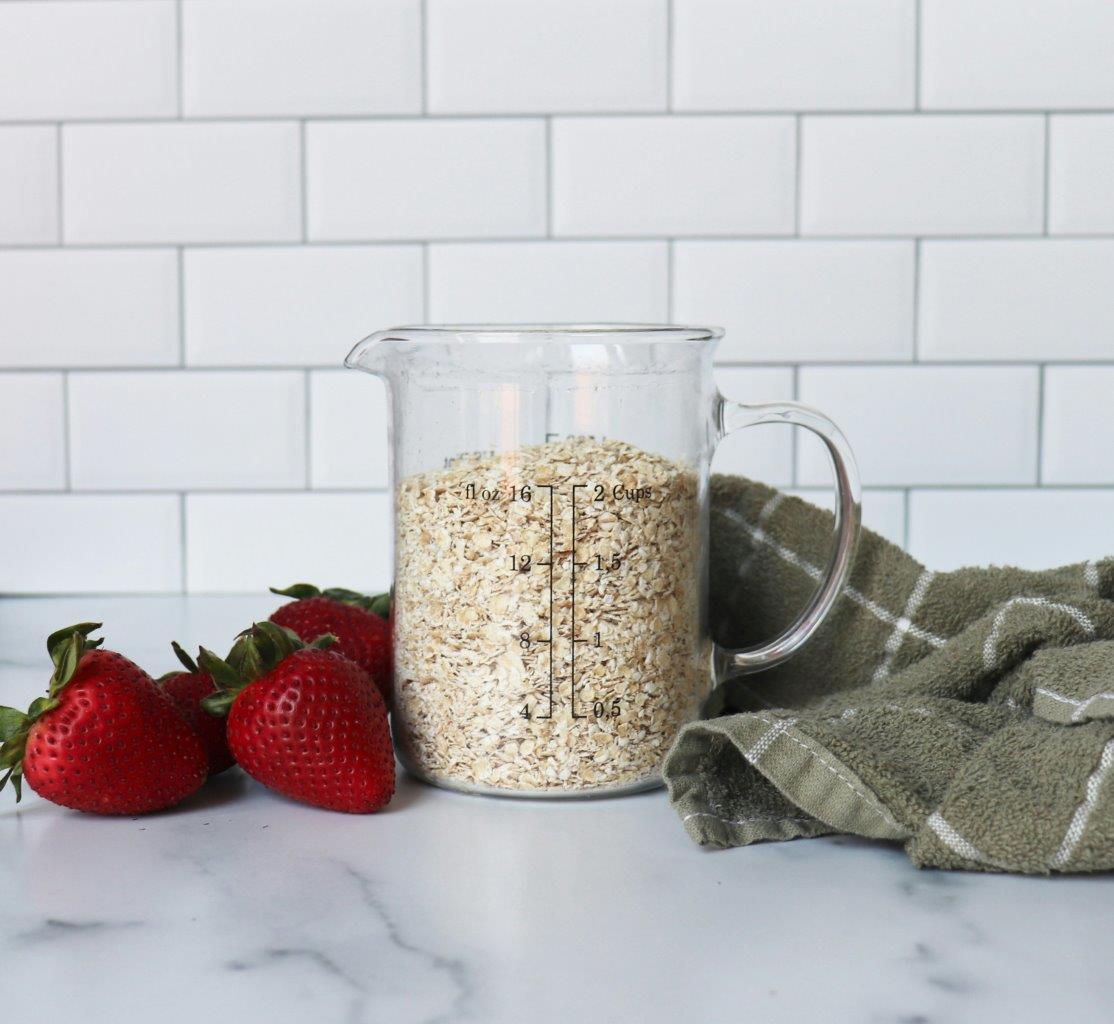
Photo by No Revisions on Unsplash
Oats and Oat-Based Products in German Supermarkets
Today’s article is about an ingredient quite popular, especially among health and fitness enthusiasts: Oats. There are varieties of Oats and Oat-based products available in supermarkets these days. This cereal has become quite popular because it is gluten-free and has high fibre and protein content. People are experimenting with many recipes with oats and incorporating them into their everyday meals.
Today’s article is about understanding Oats and learning more about this nutritious grain. I will also discuss the various oat-based products available in supermarkets in Germany, their uses, and their health benefits.
So, let’s start.
What are Oats?
The Oat sometimes called the common oat, is a species of cereal grain (like wheat) grown for its seed. Oat grains look like this:

Understanding the structure of the oat grain is important to understanding some of the oat-based products available in supermarkets.
The Structure of a Whole Grain

This picture shows four parts of the oat grain: the hull (also called husk), bran, endosperm, and germ. The husk is the outer covering, and it is always removed. What remains inside is the edible part of the grain, which comprises bran, endosperm and germ.
- Bran (outermost layer): Source of fibre, vitamins, and antioxidants.
- Endosperm (the largest part of the grain covered by the bran): Main source of carbohydrates and protein.
- Germ (the core of the seed): It is loaded with nutrients and is the source of vitamins, essential fatty acids, and antioxidants.
This understanding will help you understand the various supermarket products described further in the article.
What nutrients do Oats provide?
Oats are 66% carbohydrates. They also have a good amount of fibre. The protein content in oats is higher than that of any other cereal. Also, oats have a good mineral profile.
How are Oats consumed?
Oats can be consumed in different ways. You can toast the grains and eat them as a snack or use its flour to make pancakes, dosas, etc. Alternatively, you can add rolled oats to milk and make porridge. These are some of the common uses. But you can get creative and add oats to your everyday meals using traditional recipes.
What Oat and Oat Based products are available in supermarkets in Germany?
Oats are called Hafer in German. They are commonly available in supermarkets in Germany. Let’s look at some of the products that are commonly available.
1. Hafer

Hafer refers to Oat Grains/Oat Groats. These are oat grains that have been de-husked (i.e., the hull/husk is removed), lightly toasted, and dried. They are the least processed form of oats. Because they are whole grains, they contain bran, endosperm, and germ.
They take a long time to cook, so the best way to cook them is to soak them overnight and cook them the following day. Alternatively, you can toast them, add salt and spices of your choice, and eat them as a snack. You can grind them to flour and use it to make pancakes, dosas, etc.
2. Hafergrütze

Hafergrütze means Steel-cut oats. These are whole oats that have been de-husked and chopped into two or three small pieces. They are called steel-cut grains since they are cut using a sharp steel cutter. Since these are made from whole grains, they contain bran, endosperm, and germ.
These are also minimally processed, so they take more time to cook. You can soak them and then cook them to reduce the time and energy needed for cooking. They can be used in porridge, upma, etc.
3. Haferflocken


Haferflocken means rolled oats. These are probably the most common form of oats consumed. To make rolled oats, the oat grains are dehusked and steamed. Then, the grains are rolled into flat flakes under heavy rollers, which flattens them. Then, after slight toasting, these are ready to be packaged. These oats, therefore, come in the category of lightly processed food.
These come in two varieties: Haferflocken zart/extra zart and Haferflocken Kernig/großblatt. The former is made by flattening broken oat grains, whereas the latter is made by flattening full oat grains. Haferflocken zart is also flattened into thinner flakes than Haferflocken Kernig, which allows it to be cooked faster.
Rolled oats can be cooked in milk (it doesn’t take much time because they are partially cooked during production) and used to make porridge.
4. Hafer Crunchy

This is another popular oat-based product in supermarkets in Germany. Hafer crunchy is basically rolled oats combined with other ingredients like puffed rice/quinoa/amaranth, nuts/seeds/dry fruits, and sweeteners such as agave syrup/honey, etc. It is a highly processed food. You can directly eat it as a snack or mix it with milk or vegan drinks to make your instant breakfast. It doesn’t need to be cooked.
5. Hafer Mehl

Hafermehl means Oat Flour. It is made by grinding oats. It is gluten-free and a great source of fibre, minerals, and vitamins. It can be used to make bread, in which case it must be combined with wheat flour and yeast so the bread can rise and get the right texture. However, pancakes, dosas, waffles, etc., can be easily made from this flour without mixing it with other flour. This flour is made from whole grain and, therefore, has bran, endosperm and germ.
6. Hafer Drink

Hafer Drink is Oat milk. This is plant-based milk derived from whole oat grains. The grains are ground together with water, fermented with enzymes, and then homogenized. The resulting oat ‘milk’ has a creamy texture and mild oatmeal-like flavour. Vegans commonly use it as a milk substitute, and it comes in various flavours, such as vanilla and chocolate. Sweetened and unsweetened variants are also available in supermarkets.
7. Hafer Kleie

Hafer Kleie is called Oat bran in English. This product is derived from the bran and germ of the oat grain. This is the coarse part that remains when the bran and germ of the kernel are coarsely ground and sieved. It is a very healthy ingredient which you can include in your everyday meals since it is rich in protein and fibre and has fewer carbs than rolled oats (since rolled oats are made from whole grain that includes bran, endosperm and germ)
Since the skin of most grains contains phytic acid, it is best to soak Hafer Kleie in water before consumption (note: it soaks in a lot more water than rolled oats).
Also, remember that it is high in fibre. Therefore, if it is consumed alone, it can be difficult to digest. Therefore, you must combine it with other ingredients. For example, I like combining it with flour to make dough for rotis. You can add it to your bread dough, combine it with rolled oats to make porridge, or add it to milk along with fruits and muesli.
Here are some recipes I have tried in my kitchen with Oats.
Spelt, Oats, and Honey Cookies(This recipe uses rolled oats), Oats and Quark Bread (with powdered rolled oats), Bread with Oats, Millet, Quark and Flax Seeds (with powdered rolled oats), Oats and Rava Idli (with roasted rolled oats), Lentil and Oats Pancakes with Smoked Paprika and yoghurt dip, Fortified Rava Idli Recipe (I used wheat bran, but you can use oat bran in the same recipe).


Leave a Reply